
Introduction
Florida drivers, have you ever felt that sinking feeling when a dashboard warning light suddenly illuminates? In our hot and humid climate, with frequent storms and long road trips, it’s crucial to address these warnings promptly. This article will help you understand what those lights mean and how to handle them effectively.
In this article, we’ll guide you through the most common dashboard warning lights, provide a handy checklist for addressing issues, offer Florida-specific tips, and tell you when it’s time to call in the pros at your local auto repair shop. Let’s dive right in!
The Key Thing to Understand
Dashboard warning lights serve as an early-warning system, alerting drivers to potential problems before they escalate into major issues. Ignoring these signals can not only lead to costly repairs but also pose safety risks on Florida’s roads. For instance, the engine temperature light could indicate overheating due to high humidity and frequent use of air conditioning.
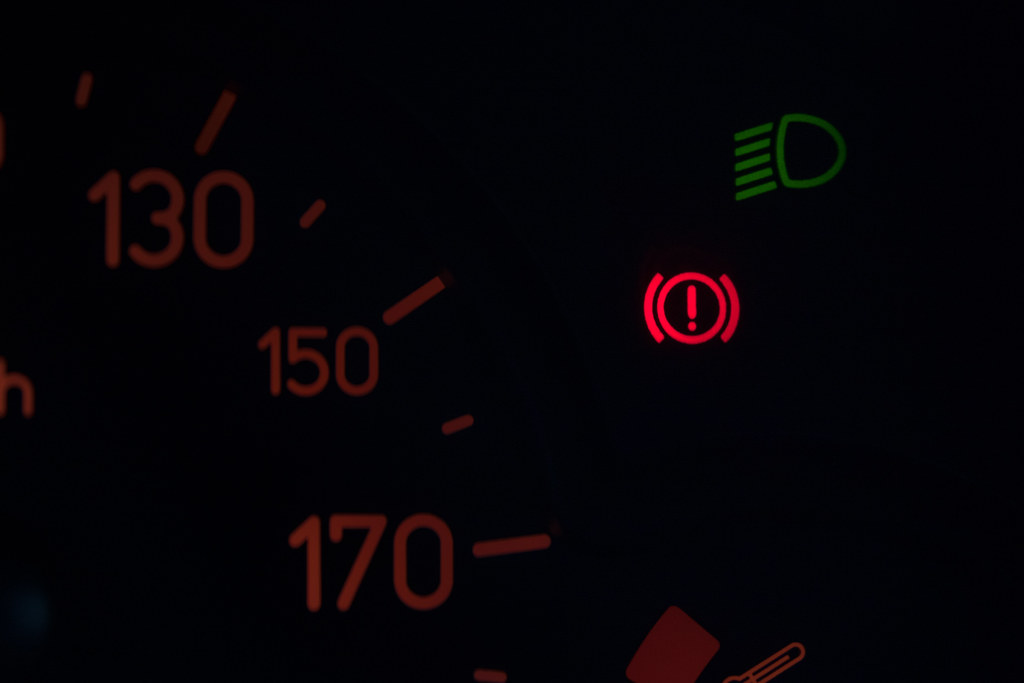
Each warning light has a specific meaning, such as oil pressure low, brake system malfunction, or battery issues. Understanding these lights is crucial for maintaining your vehicle’s performance and longevity. By addressing these warnings early on, you can save yourself from the hassle and expense of more severe breakdowns.
What to Do — A Clear Checklist
When you see a warning light come on, follow this simple checklist:
1. Pull Over Safely: If the light indicates an immediate issue (like engine trouble or brake failure), pull over as soon as it’s safe.
2. Check Owner’s Manual: Refer to your vehicle’s manual for a detailed explanation of each warning light and recommended actions.
3. Assess the Situation: Try to determine if the issue is minor (low oil level) or severe (engine overheating).
4. Contact a Professional: If unsure, call a local auto repair shop to avoid potential damage or safety risks.
Florida-Specific Tips
Florida’s unique driving conditions present their own set of challenges:
- – Heat and Humidity: Keep an eye on your engine temperature gauge during hot weather, especially when running the AC. Regularly check coolant levels.
- – Love Bugs Season: During love bug season (April to May), these small insects can damage radiator grilles and cause overheating issues. Clean your car’s front grill regularly.
- – Stormy Weather: After heavy rain or thunderstorms, be cautious of potential water damage to electrical components like the battery and alternator. Check for warning lights related to these systems.
When to Call a Local Pro
Sometimes, despite your best efforts, it’s clear that you need professional help:
- – Persistent Warning Lights: If a light stays on after addressing the initial issue or appears repeatedly.
- – Safety Concerns: Any issues affecting braking performance, steering control, or engine stability are critical and should be addressed immediately.
- – Unfamiliar Symptoms: When you encounter an unfamiliar warning that your manual doesn’t cover in detail.
It’s always better to err on the side of caution. A local professional can provide peace of mind and ensure your vehicle is back in top shape.
Find a Trusted Local Shop
When it’s time for repairs or maintenance, finding a reliable shop is crucial. The Auto Network makes this easy by connecting you with trusted local shops across Florida. Check out our directory to find reviews, services offered, and more at https://autonetworkhub.com/auto-repair/ and request a free quote today!